ZPF delivers 16-bit shoot 'em up fury on Switch
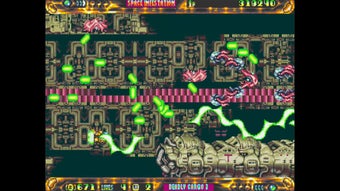
ZPF, from Mega Cat Studios, is a high-speed horizontal shoot 'em up built with a Genesis-era sensibility and a heavy metal aesthetic. Players run side-scrolling stages, master complex bullet patterns, and face multi-phase bosses while chasing high scores. The package highlights detailed 16-bit pixel art, parallax layers, an FM-synth soundtrack, and an in-game shop. Retro shooter fans who prize challenge and score mastery are the primary audience.
What kind of game is ZPF?
In this game, ZPF is a horizontal shoot 'em up centered on fast side-scrolling combat. Players select one of three pilots and exploit unique weapon patterns plus a melee attack to clear waves. Playable pilots include:
- Knight
- Gladius
- Gold
Does it support multiplayer or focus on solo runs?
Across runs, emphasis falls on solo progression and score systems rather than shared sessions. The material highlights deep scoring mechanics, hidden secrets, and multiple endings that reward repeated solo attempts. An in-game shop appears between stages for purchases with earned points, which reinforces single-player resource choices. The available feature list does not present a multiplayer or co-op mode.
What does the game look and sound like?
Visually and sonically, the title pushes a 16-bit visual language. The game uses 16-bit pixel art with multiple parallax layers to create depth, while neon and biomechanical motifs supply a heavy metal tone. Audio is an FM-synth soundtrack composed by Gryzor87 that aligns with the retro palette. Stage transitions and boss set pieces use wide-screen effects to amplify spectacle without obscuring pixel detail on Switch.
How steep is the learning curve and progression?
Regarding challenge, complexity arrives early: complex bullet patterns and multi-phase bosses require pattern memorization and precise movement. Progression mixes score-driven unlocks with a between-stage shop for upgrades, extra lives, and hints, which introduces resource-management decisions. Hidden secrets and multiple endings increase replay pressure. The design rewards players who practice runs and refine routes rather than casual drop-in play.
Final recommendation: focused pick for retro score chasers
The game is a focused, mechanically demanding shooter that suits retro enthusiasts and players who enjoy precision-driven, arcade-style runs; its design and reception align with that audience, as shown by a Mostly Positive rating on Steam and a successful crowdfunding background. Casual players or those seeking cooperative sessions should consider the game's solo, high-difficulty orientation before committing time.